Clean-Label Oat Beverage Processing: What Factories Can Control Before Additives
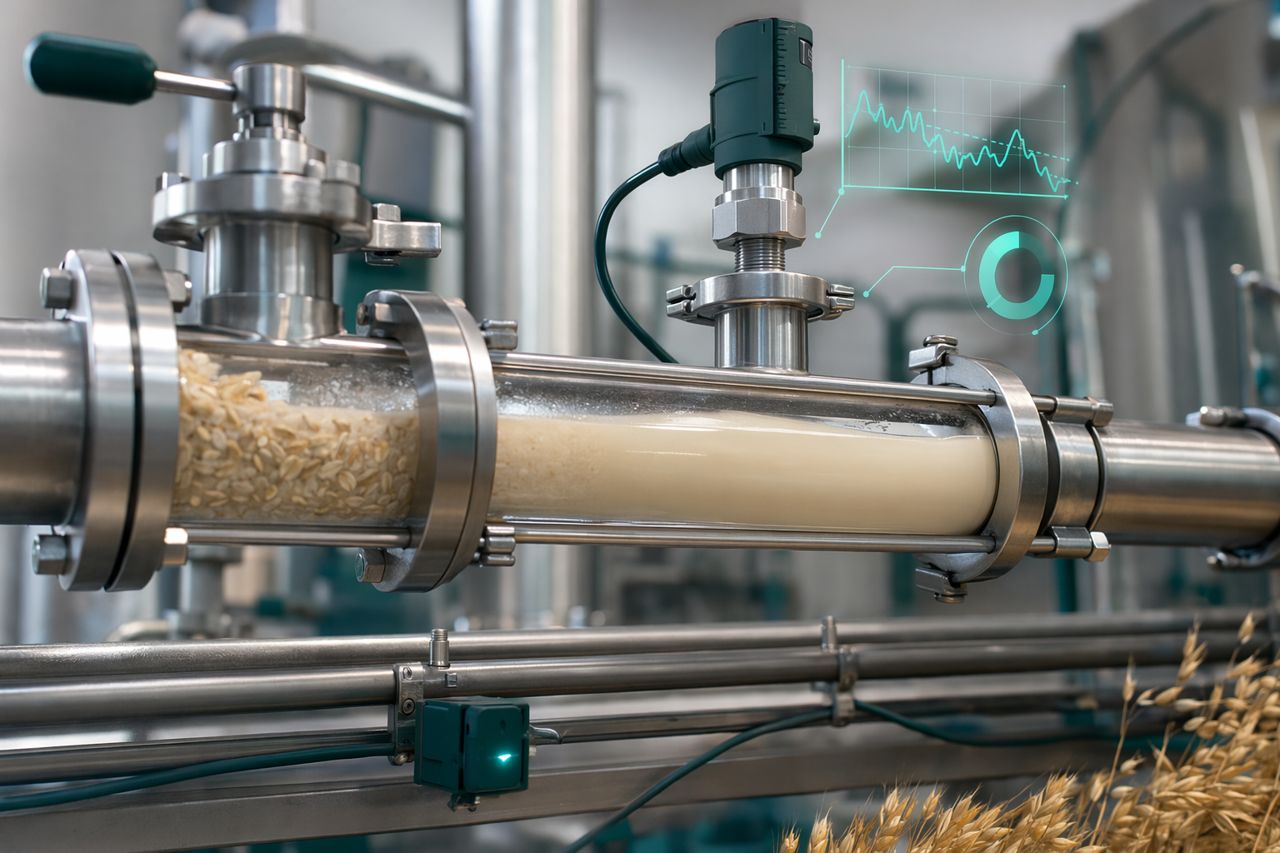
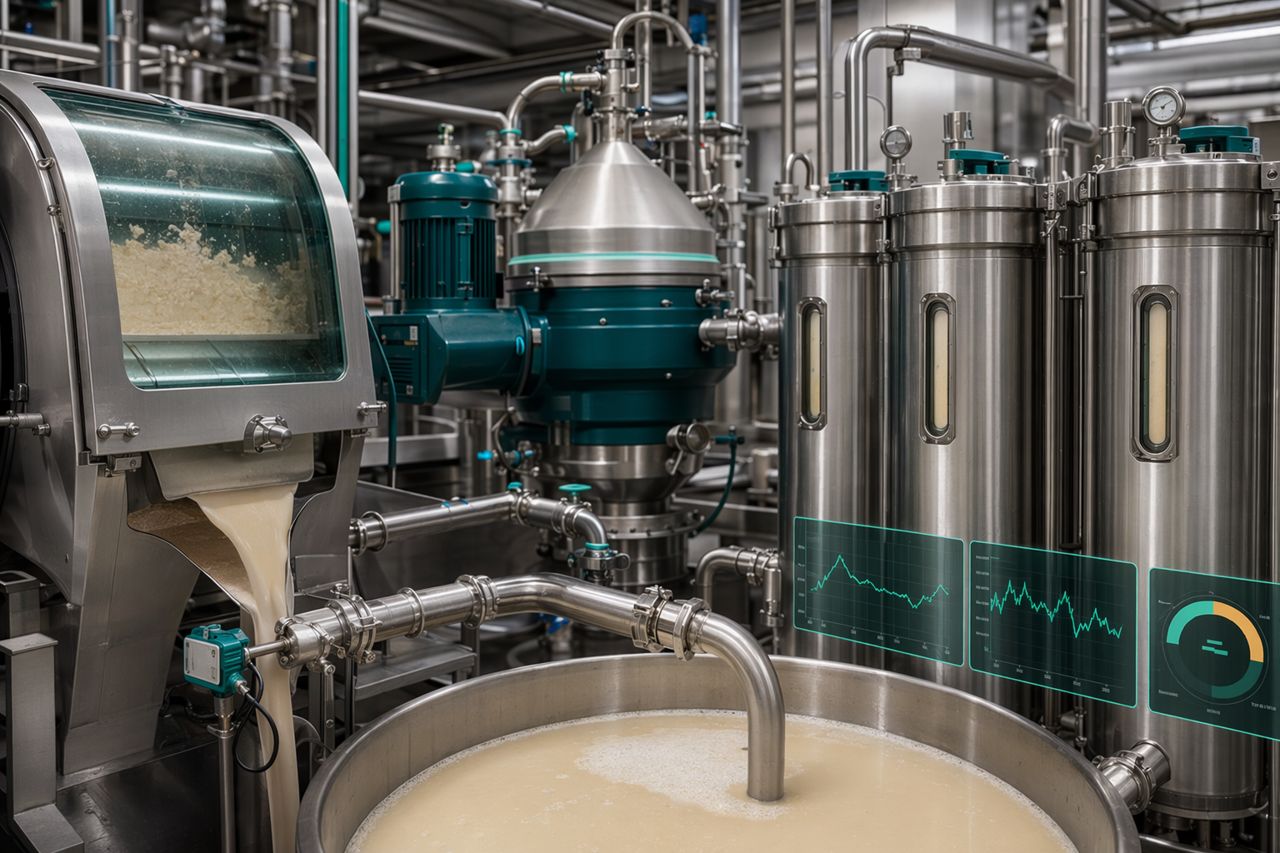
Oat beverages are often judged by what appears on the carton. Process managers, however, know the real work happens earlier: in the hydration, cooking, enzymatic conversion, separation, and standardization steps that decide whether the base is smooth, pumpable, filterable, and repeatable.
For a factory aiming for a cleaner label, the question is not only which stabilizer, oil system, or flavor mask to use. The more useful question is: what can the process control before additives become the rescue plan?
Enzymesboost works as an enzyme supplier for oat milk production with a practical focus on throughput, viscosity control, filtration performance, batch consistency, mouthfeel, and reduced troubleshooting. The aim is not to make oat processing more complicated. The aim is to give the plant a more predictable base beverage before formulation is asked to solve everything. For oat beverage manufacturers and resellers, that enzyme supply is wholesale and quoted per order.
Clean-label pressure starts on the process floor
Clean-label expectations can create real operational pressure:
- Lower tolerance for heavy stabilizer systems
- Demand for recognizable ingredients
- Less room for corrective formulation
- Higher expectations for creamy texture without gumminess
- Consistent sweetness and cereal character across oat supply variation
- Longer production runs with fewer stops for viscosity or filter load
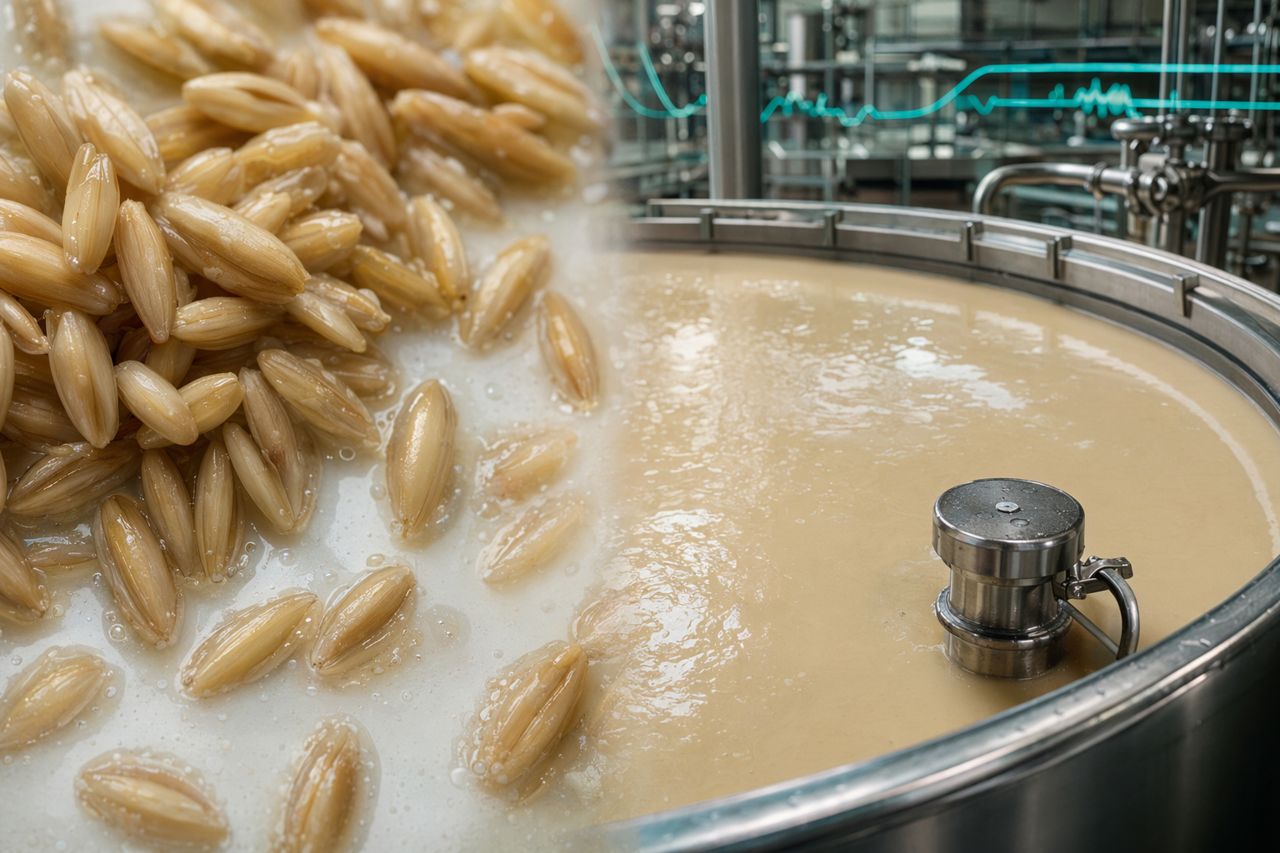
In many factories, these targets collide with a basic reality: oats are naturally variable. Starch behavior, beta-glucan contribution, particle load, and solids release can shift from lot to lot. If the process window is too narrow, a clean-label ambition quickly becomes a firefighting routine.
Wholesale and bulk supply. Enzymesboost supplies enzymes for clean-label oat beverage processing to oat beverage manufacturers, resellers and biotech companies. Pricing and supply terms are quoted per order. To get a quote, send the product, the quantity and the destination country through the inquiry form.
The base beverage should be controlled before it is corrected
Additives can improve stability and sensory profile, but they should not be the first line of defense against poor slurry behavior. Before the formulation bench gets involved, the factory can often gain control in five areas.
1. Slurry viscosity during cooking and conversion
A thick oat slurry reduces heat transfer efficiency, increases pump strain, slows movement through the line, and makes residence time less predictable. Enzyme selection and dosing strategy can help convert starch into a more manageable carbohydrate profile, reducing excessive thickness while preserving a creamy beverage foundation.
The commercial value is straightforward: smoother flow, less need for emergency dilution, and fewer deviations between early and late batch behavior.
2. Filtration and separation load
When the mash carries too much unresolved viscosity or fine suspended material, screens, decanters, and polishing filters become the bottleneck. A more controlled enzyme step can improve how the slurry releases soluble material while reducing the drag that slows separation.
For the plant, that can mean longer filtration runs, steadier flux, reduced manual intervention, and a clearer path to planned throughput.
3. Solids extraction and yield stability
Clean-label oat beverages still need an efficient base. If extractable oat solids remain trapped in the spent fraction, the factory pays twice: once in raw material loss and again in downstream correction. Enzymatic processing can support more consistent solids release, helping teams target repeatable base strength before standardization.
This is especially important when oat quality changes with crop year, supplier, or storage conditions.
4. Mouthfeel without heaviness
Creaminess is not the same as uncontrolled thickness. Consumers want body, but the plant needs a beverage that moves cleanly through pipes, heat exchangers, tanks, and fillers. The enzyme system should help create a smooth, rounded base without leaving the line fighting a heavy or gluey texture.
That balance is where process credibility matters. Too little conversion can leave operational drag. Too much can thin the product, change sweetness perception, or reduce oat character. Enzymesboost focuses on practical processing windows rather than one-size-fits-all commodity supply.
5. Batch-to-batch repeatability
A clean-label strategy is only useful if it survives production reality. The factory needs a process that can be repeated across shifts, oat lots, and scale-up conditions. That means enzyme recommendations should connect to plant objectives: slurry handling, conversion profile, separation performance, sensory target, and finished beverage consistency.
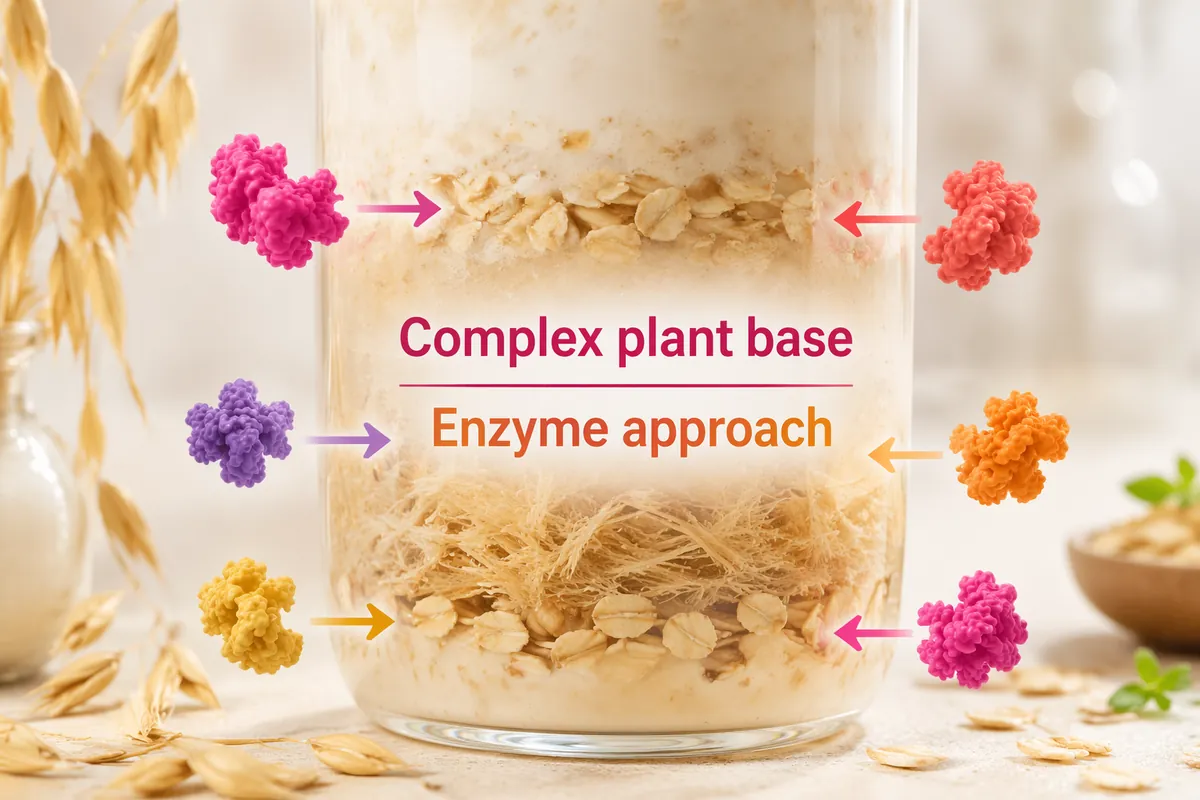
Where enzymes fit in oat beverage production
Enzymes are typically used as processing tools to help manage oat starch, viscosity, soluble solids, and texture development. Depending on the process design, an oat milk factory may use enzyme systems that support:
- Starch liquefaction for viscosity reduction
- Conversion toward controlled sweetness and body
- Beta-glucan management for smoother flow and filtration
- Improved extract release from oat material
- More consistent base beverage standardization
The right approach depends on the plant's oat preparation, thermal profile, holding time, separation method, desired sweetness, and final mouthfeel. Enzymesboost does not treat the enzyme step as a catalog choice. We treat it as a process lever.
What to check before increasing additives
If a clean-label project is drifting toward more correction, review the process first. Useful diagnostic questions include:
-
Is viscosity stable through the full conversion hold, or does it drift late?
Late changes can complicate pump rates, separation timing, and standardization. -
Is the separation step the actual production constraint?
If screens or filters are limiting the line, enzyme selection may need to prioritize flow and suspended load control. -
Is sweetness coming from controlled conversion or formulation adjustment?
A more predictable conversion profile can reduce the need for downstream correction. -
Does the base beverage feel creamy or simply thick?
Texture should support the brand target without creating plant-floor drag. -
Are oat lot changes creating repeated troubleshooting?
The enzyme program should help widen the process window against natural raw material variation.
Practical enzyme supply for oat milk factories
Enzymesboost supports oat beverage processors with enzyme solutions built around industrial outcomes, not abstract technical claims. Typical project priorities include:
- Reducing high-viscosity processing delays
- Improving filtration and separation performance
- Stabilizing base solids and conversion behavior
- Supporting creamy mouthfeel without excessive thickness
- Reducing batch-to-batch adjustment work
- Helping production and R&D teams align on a scalable process window
For clean-label work, this matters because the best formulation is often the one that has less rescuing to do. When the base beverage is controlled, the additives that remain can be used more deliberately.
A clean-label mindset is a control mindset
Clean-label oat beverage processing is not about removing every tool from the factory. It is about using the right tools earlier, with clearer process intent.
When enzyme processing is designed around the real constraints of the line, the plant gains more than a technical ingredient. It gains a way to make oat slurry behavior, separation load, base consistency, and mouthfeel more predictable before the product reaches final formulation.
That is where clean-label ambition becomes manufacturable.
Request a quote
Enzymesboost works with buyers, not hobby users: oat drink manufacturers, co-packers, ingredient resellers and biotech companies. If your line is fighting viscosity, filtration load, inconsistent solids or batch drift on a clean-label project, we can recommend an enzyme supply approach for factory trials.
In your inquiry, please include:
- Product: the enzyme you use now, or the result you need (for example lower viscosity, easier filtration or steadier solids)
- Quantity: a trial amount, a first production order, or expected monthly volume
- Destination: the country and site the enzyme ships to
- Process notes (optional): oat base, process constraints, target beverage profile, the additives you want to reduce
Pricing, pack options and supply terms are quoted per order. Send your inquiry through the form.