Oat Slurry Liquefaction Enzyme Buying Guide
Enzymesboost supports oat milk factories that need dependable liquefaction performance without turning every batch into a troubleshooting exercise. If you are comparing an enzyme supplier for oat milk production, the buying decision should go beyond price per package. The right supply partner helps you protect viscosity targets, filtration performance, mouthfeel, yield stability, and plant scheduling.
This guide is written for process managers, procurement teams, and technical buyers evaluating oat slurry liquefaction enzymes for commercial oat beverage production.
Why liquefaction enzyme choice affects the whole line
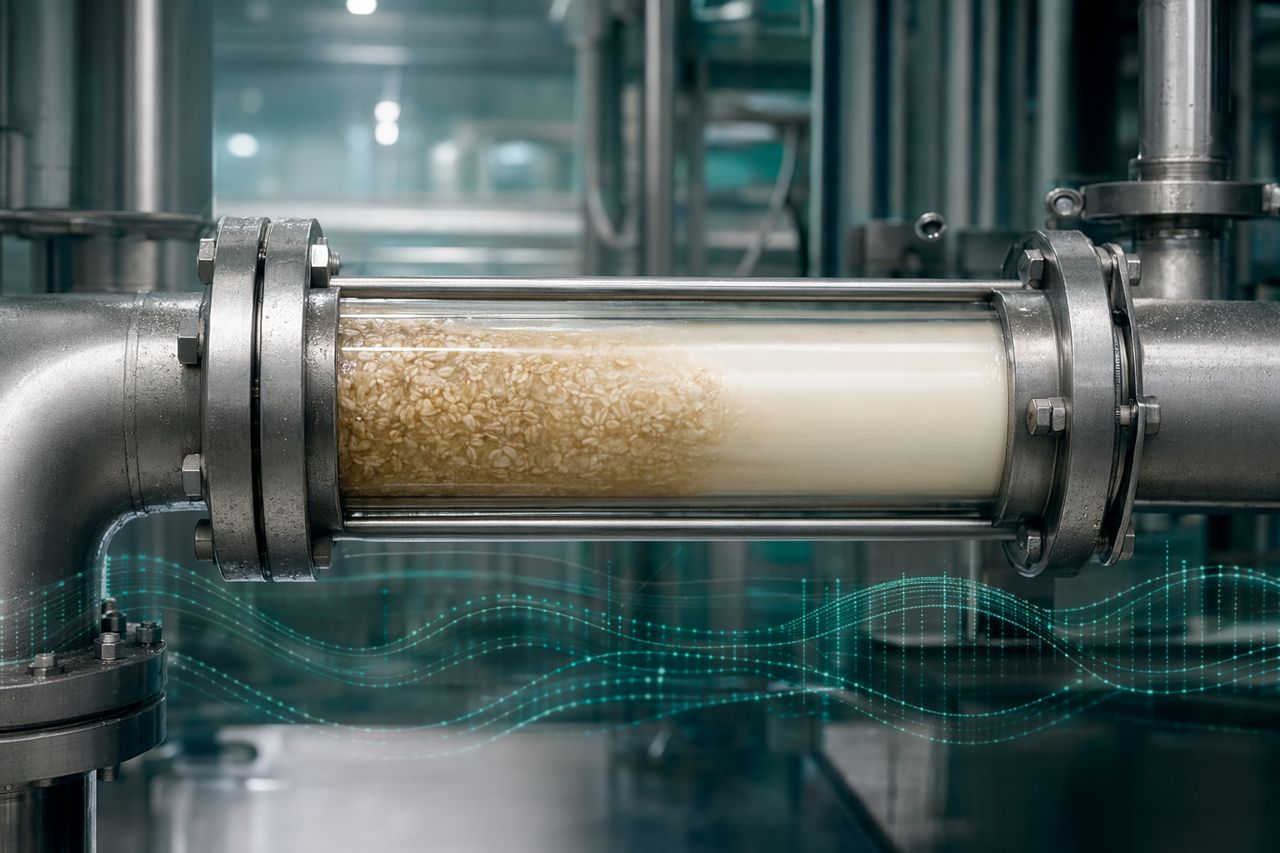
Oat slurry is not a passive ingredient stream. Starch behavior, beta-glucan contribution, particle load, heat history, and residence time all influence whether the slurry moves cleanly through the process or begins to drag down capacity.
A well-matched liquefaction enzyme program can help you:
- Reduce excessive slurry thickness before separation or filtration
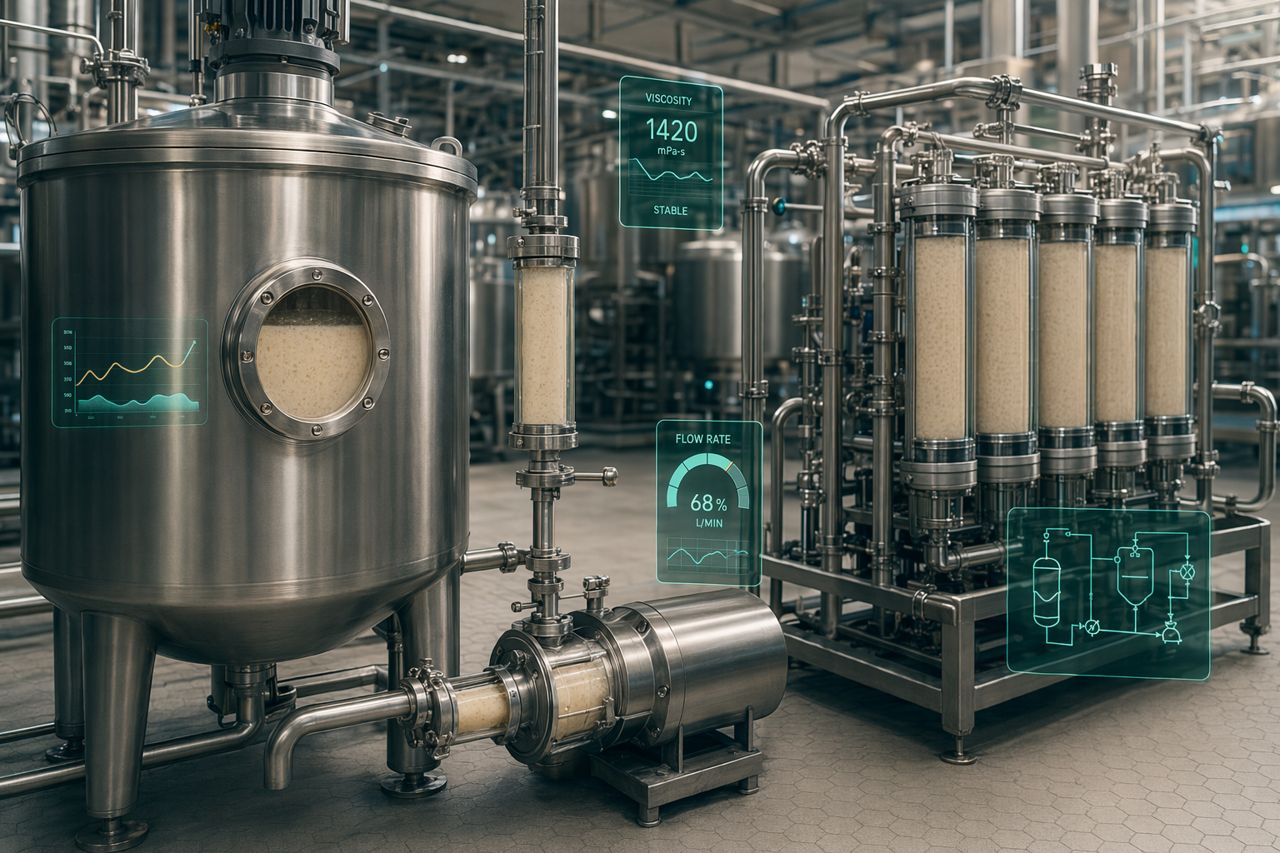
- Improve pumpability through transfer lines and heat exchangers
- Support more consistent conversion across batches
- Lower the frequency of screen, separator, or membrane performance issues
- Stabilize solids handling and reduce line-side adjustments
- Protect the creamy oat profile without pushing the beverage thin or watery
The goal is controlled flow, not over-processing.
What to ask before requesting a quote
Before asking for pricing, define the commercial and process conditions that matter most in your plant. Enzymesboost quote discussions usually start with these questions.
1. What oat base are you processing?
Liquefaction requirements change depending on the raw material and milling approach. Share whether your process uses whole oat flour, rolled oat preparation, oat groats, pre-treated oat input, or a supplier-specific oat base.
Helpful details include:
- Typical solids range
- Milling or hydration approach
- Slurry temperature window
- Hold time available before separation
- Target beverage style, such as barista, ambient, chilled, or high-solids base
These details help match the enzyme profile to your line rather than forcing the line around the enzyme.
2. What viscosity problem are you solving?
Not all viscosity complaints have the same root cause. Some plants need faster liquefaction at the front of the line. Others need better consistency before decanting, centrifugation, fine filtration, or blending.
Common buying triggers include:
- Slurry thickening during hold
- Slow transfer after cook or heat treatment
- Variation between oat lots
- Filter loading too early in the run
- Unstable mouthfeel after downstream processing
- Operators making repeated manual corrections
Enzymesboost helps buyers identify whether the enzyme should be selected primarily for early flow control, yield support, separation performance, or finished-base consistency.
Enzyme format: what procurement should compare
The practical choice is usually less about the catalog description and more about how the enzyme behaves in your receiving, storage, and dosing environment.
Liquid enzyme formats
Liquid formats are often preferred when plants want straightforward handling, easier metering, and faster integration into existing process routines.
They can be a good fit when your plant values:
- Simple operator handling
- Clean integration with dosing pumps or premix steps
- Reduced dust concerns
- Flexible adjustment during production trials
- Efficient use across recurring production campaigns
When comparing liquid options, ask about packaging sizes, shelf-life expectations, storage conditions, and documentation available for food production review.
Dry or concentrated formats
Some factories prefer lower freight burden, longer inventory planning windows, or specific storage advantages. Dry or concentrated formats can be considered when the site has suitable handling procedures and trained operators.
Procurement should confirm:
- Reconstitution expectations, if applicable
- Compatibility with plant hygiene practices
- Handling safeguards
- Batch-to-batch supply consistency
- Lead times for repeat orders
Enzymesboost can discuss the format that fits your process control and purchasing cadence.
Process fit matters more than generic enzyme labels
A generic liquefaction enzyme is not automatically right for oat milk production. Oat beverage lines require a balance between starch breakdown, process flow, sensory outcome, and downstream separation.
A practical evaluation should consider:
- Temperature compatibility with your slurry process
- Effective performance within your available residence time
- Impact on viscosity reduction before separation
- Influence on sweetness development and oat flavor balance
- Behavior across raw material variation
- Compatibility with other enzyme steps, if used
- Clean shutdown and changeover expectations
Enzymesboost does not treat liquefaction as an isolated ingredient purchase. It is part of the production system.
Storage planning and inventory control
A reliable enzyme program should fit the way your factory buys, stores, and schedules production. Stockouts can disrupt oat base campaigns, while excess inventory can create avoidable risk.
When planning supply, align on:
- Expected monthly production volume
- Batch frequency and campaign length
- Preferred delivery cadence
- On-site storage temperature range
- Packaging size preference
- Seasonal demand peaks
- Trial volume versus recurring order volume
For growing oat milk factories, the best ordering plan usually starts with a controlled trial quantity, then moves into scheduled replenishment once the process target is confirmed.
Documentation to request from an enzyme supplier
Procurement and QA teams should expect clear, usable documentation. Without exposing proprietary manufacturing details, a supplier should be able to support your internal review process.
Ask for relevant documents such as:
- Product specification summary
- Food production suitability statement
- Allergen and dietary position, where applicable
- Safety data documentation
- Storage and handling guidance
- Lot traceability information
- Country-of-origin or compliance support if required by your market
Enzymesboost keeps quote conversations practical: what your plant needs to approve, receive, store, and run the enzyme confidently.
How to evaluate a trial without overcomplicating it
A good plant trial should answer operational questions, not create a research project. Define success around line behavior and finished base quality.
Recommended trial checkpoints include:
- Slurry flow before and after the liquefaction step
- Pump pressure trend and transfer stability
- Separation or filtration behavior
- Hold tank consistency
- Finished base texture and mouthfeel
- Operator observations during startup, steady running, and shutdown
- Yield and solids recovery trend
- Repeatability across more than one oat lot, if possible
The strongest buying decision comes from repeatable plant-floor evidence.
Ordering cadence: from first quote to routine supply
Enzymesboost supports both first-time qualification and ongoing production supply. For an efficient quote, be ready to share:
- Product format preference
- Approximate production volume
- Target application: oat slurry liquefaction, viscosity control, filtration support, or yield stabilization
- Destination country or delivery region
- Trial timing or production campaign date
- Documentation requirements
- Preferred packaging and reorder rhythm
Once process fit is confirmed, procurement can move from one-off ordering into planned supply that matches campaign scheduling and inventory rules.
Why oat milk factories choose Enzymesboost
Enzymesboost is built for oat beverage production, not generic ingredient selling. Our focus is practical enzyme supply for commercial lines where downtime, viscosity drift, filtration slowdowns, and inconsistent mouthfeel have real cost.
You work with Enzymesboost when you want:
- A supplier that understands oat slurry behavior
- Clear format and storage guidance
- Quote support tied to your production reality
- Technical conversation without unnecessary academic complexity
- Reliable planning for trials, scale-up, and repeat supply
Request a quote for oat slurry liquefaction enzyme supply
If you are selecting an enzyme supplier for oat milk production, Enzymesboost can help define the right liquefaction enzyme format, trial quantity, documentation package, and replenishment cadence for your factory.
Request a quote using the on-site contact form. Include your oat base type, process temperature window, viscosity or filtration challenge, target production volume, and preferred delivery timing so our team can respond with a practical supply proposal.